The 2026 Australian EV Shift: New Models, Price Wars, and Regulatory Crossroads
The Australian automotive landscape in 2026 is reaching a historic tipping point. For the first time, electric vehicles (EVs) are breaking through the "affordability ceiling" with models now priced competitively against entry-level petrol cars. However, this surge in accessibility coincides with a period of intense regulatory scrutiny. As the Albanese government navigates its 2035 emissions reduction targets of 62–70%, the federal treasury is simultaneously reviewing the very tax exemptions that fueled the recent 10% market share peak. With a national road-user charge (RUC) looming and an influx of "fit-for-purpose" electric utes and hatchbacks arriving in showrooms, 2026 is set to be the most transformative year for Australian motorists since the introduction of the first mass-market EVs.
KEYTAKEAWAYS
- Price Revolution: The BYD Atto 1 (Seagull) has set a new record as Australia’s cheapest EV, starting at $23,990 plus on-road costs.
- Regulatory Review: The federal government has launched a statutory review of the FBT exemption for electric cars, with public consultation open until February 5, 2026.
- Electric Ute Arrival: The Toyota HiLux BEV is expected in H1 2026, targeting the fleet and mining sectors with a specialized 4WD electric drivetrain.
- Road User Charge (RUC): A distance-based charge is on the national agenda to replace falling fuel excise revenue, raising concerns about potential impacts on EV adoption rates.
1. The Rise of "Budget" Electric: Breaking the $25k Barrier
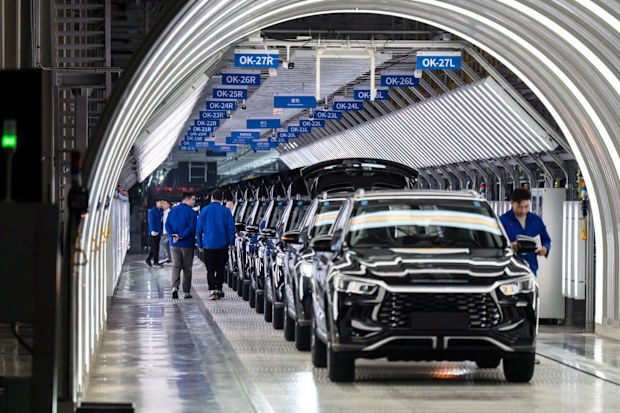
For years, the primary barrier to EV adoption in Australia was the high entry price. In 2026, that barrier has officially been dismantled. The arrival of the BYD Atto 1 at under $24,000 provides a direct electric alternative to popular light cars like the Mazda 2 or Toyota Yaris. This follows the success of the New Vehicle Efficiency Standard (NVES) introduced in 2025, which incentivized manufacturers to bring lower-emission models to Australia to avoid significant financial penalties.
Professor Hussein Dia of Swinburne University notes that market forces are finally aligning with consumer demand. "Supply constraints have eased, and we are seeing a 'race to the bottom' in pricing that benefits the average commuter," he states. This competition isn't limited to hatchbacks; compact SUVs like the Suzuki e-Vitara and Leapmotor B05 are also entering the fray, offering ranges upwards of 360 km for a fraction of the cost of first-generation EVs.
2. Policy & Regulation: The FBT Review and Road User Charges
The Australian federal government is currently balancing two opposing goals: encouraging EV uptake and maintaining infrastructure revenue. Treasurer Jim Chalmers recently announced a review of the Electric Car Discount (the FBT exemption). Since its 2022 inception, nearly 100,000 EVs have been purchased through this scheme, significantly exceeding treasury forecasts. Analysts warn that removing this tax break—which can save novated lease holders thousands of dollars annually—could stall the momentum toward the 30% sales target required for environmental goals.
| Policy Element | 2026 Status | Consumer Impact |
|---|---|---|
| FBT Exemption | Under Review (Consultation ends Feb 5) | Potential loss of $2,000–$5,000 yearly savings on leases. |
| Road User Charge (RUC) | Proposal Phase (Nationwide) | Distance-based tax (approx. 2.9c/km) for non-fuel vehicles. |
| Luxury Car Tax (LCT) | Threshold: $91,387 | Limits the tax benefits for high-end EVs like Polestar and Porsche. |
3. 10 High-Anticipation EVs Arriving in Australia (2026)
The "Class of 2026" is diverse, ranging from urban micro-cars to heavy-duty utes. Below are the key models set to shake up local showrooms:
- BYD Atto 1 ($23,990): The new pricing benchmark. A compact hatch with a 220 km range and LFP Blade battery safety.
- Toyota HiLux BEV (Est. $90k–$100k): Designed for "back-to-base" fleet operations with AWD capability.
- Polestar 5 ($171,000): A luxury performance rival to the Porsche Taycan, capable of 0–100 km/h in 3.9 seconds.
- Mazda 6e: Mazda’s first dedicated electric sedan, promising a premium interior and 500+ km range.
- Hyundai Elexio: A mid-sized SUV with ultra-fast charging and futuristic "pixel" lighting design.
- Honda Super-ONE: An ultra-compact urban runabout focused on maneuverability and tech integration.
- Kia PV5: A modular electric van designed for small businesses and logistics.
- Suzuki e-Vitara: An electric SUV that retains Suzuki’s rugged character with a 400 km range.
- XPeng X9: A high-tech 7-seat people mover entering the premium family segment.
- Leapmotor B05: A value-focused five-door hatchback aiming at the middle-market buyer.
Australia EV 2026 FAQ
Q: Will I have to pay a road-user charge for my EV in 2026?
A: While the federal government is considering a national RUC, it is unlikely to be fully implemented across all states in 2026. NSW has plans for a charge starting July 1, 2027, or when EV sales hit 30%. However, the 2026 discussions focus on creating a unified national framework to replace the piecemeal state taxes that were previously ruled unconstitutional by the High Court.
Q: Is the Toyota HiLux EV suitable for long-distance towing?
A: The 2026 HiLux BEV is primarily positioned for fleet and "back-to-base" usage (e.g., mining sites or metropolitan delivery). With a range of approximately 240–315 km (NEDC), it is not intended for long-haul interstate towing. For heavy towing over long distances, Toyota is continuing to offer diesel and hybrid variants alongside the BEV.
Q: What happens if the FBT exemption ends after the February review?
A: If the FBT exemption is scaled back or removed, the effective cost of a novated lease for an EV will increase. However, experts suggest the government may opt for a "phasing out" approach rather than an immediate cut to avoid shocking the market. Current lease holders should check the "grandfathering" clauses in their contracts, which often protect existing arrangements.
As Australia enters 2026, the "early adopter" phase is officially over. Electric vehicles are no longer a niche luxury but a viable, affordable choice for the mainstream Australian family. While regulatory changes introduce an element of uncertainty, the sheer volume of new models and the decline in entry-level pricing suggest that the electric revolution is now unstoppable.

Posting Komentar