How to Sell Your Car in 2026: An Expert Guide to Getting the Best Price With the Least Fuss
Selling a car used to mean newspaper classifieds, handwritten signs, and a fair amount of guesswork. Today, it’s quicker, more transparent, and far less intimidating—especially if you understand how to navigate the modern digital marketplace. Whether you are upgrading to an EV, downsizing your fleet, or simply looking to cash out, maximizing your return requires strategy, not just luck.
From understanding your car’s true market worth to choosing the most lucrative sales channel, Autotrader’s Dan Trent explains how to take the stress out of the process and secure a fair price along the way. This guide breaks down the essential steps every seller must take in 2026 to outsmart lowballers and close the deal smoothly.
Executive Key Takeaways
- Data beats emotion: Never base your asking price on what you paid. Use live market data tools to set a competitive, realistic valuation based on current demand.
- Transparency builds trust: A complete MOT record and a clear service history are your best defense against buyer negotiations. Buyers will check your history anyway, so own the narrative.
- Presentation is profitable: Nine out of ten buyers will not pay full price for a poorly presented car, even if it is mechanically perfect. Clean interiors and honest photography equal higher returns.
- EVs require extra details: If you are selling an electric or hybrid vehicle, you must proactively provide data on battery state-of-health (SOH) and real-world range to reassure hesitant buyers.
- Private sale vs. Dealer: Private sales generally yield the highest cash return, while direct-to-dealer or part-exchange routes trade some profit for immediate convenience and security.
Table of Contents
Demystifying the modern car sale
To find out where sellers often feel most uncertain, we spoke to Autotrader’s reviews editor, Dan Trent. “People often assume selling a car is complicated, time-consuming, and full of hidden pitfalls,” he explains. In reality, modern digital tools have stripped away the traditional opacity of the used car market.
Once you break the process down into a few clear steps, it becomes highly manageable. The key is understanding exactly what documentation you need and what your car is really worth before you ever draft a listing or speak to a dealer.

Why your MOT and service history dictate your price
“Your MOT record tells a story about how a car has been looked after,” says Trent. Before you list your car for sale, it is vital to review its history so you are not caught off guard by past advisories or failures. Smart buyers will run a vehicle history check online regardless, so being informed allows you to answer their questions confidently and retain your pricing leverage.
Service history matters just as much. Even if your car has not been serviced at a main franchised dealer every single year, maintaining clear records of what maintenance has been done—and when—helps reassure potential buyers. “Transparency builds trust,” Trent notes, “and trust makes a sale smoother and faster.”
The pricing trap: why emotional valuation fails
Once you understand your car’s mechanical condition, pricing is the next major hurdle—and one of the biggest areas where private sellers go wrong. “One of the most common mistakes is basing your asking price on what you paid for the car, rather than what it’s worth today,” Trent warns. The automotive market moves incredibly quickly, so an up-to-date, localized valuation is essential to avoid pricing yourself out of buyer searches.
Using a data-led valuation tool removes counterproductive emotion from the process. Platforms like Autotrader offer free valuation tools that reflect current market conditions, specific mileage, vehicle age, and regional demand. This provides a realistic starting point whether you are selling privately, considering a part-exchange, or selling directly to a dealer.
For older, modified, or specialist cars, conducting a bit of extra manual research pays off. Searching for exact-match models allows you to see what buyers are comparing you against, and what makes a competing listing stand out. Always leave a slight margin for negotiation; if your absolute bottom line is 18,000 USD, listing at 19,500 USD gives the buyer a "win" without cutting into your required capital.

Visual merchandising: the ROI of a clean car
Whichever route you choose, preparation makes a measurable financial difference. A thorough clean inside and out can significantly improve first impressions and justify a higher asking price. “You don’t need to spend a fortune on professional detailing,” says Trent, “but a clean cabin, clear boot space, and tidy exterior help buyers imagine themselves owning the car.”
Photography is equally critical to your digital merchandising strategy. Autotrader research shows that nine in ten car buyers say poor presentation would stop them from paying full price for a mechanically sound vehicle. Good photos can dramatically increase your click-through rate.
To maximize your listing's impact, find a neutral background, shoot during golden hour daylight, and show the car from multiple angles. Do not try to hide dents or scratched alloys; honest, transparent listings attract serious buyers and eliminate time-wasters who will just haggle upon seeing undisclosed damage in person.
Special rules for selling electric and hybrid cars
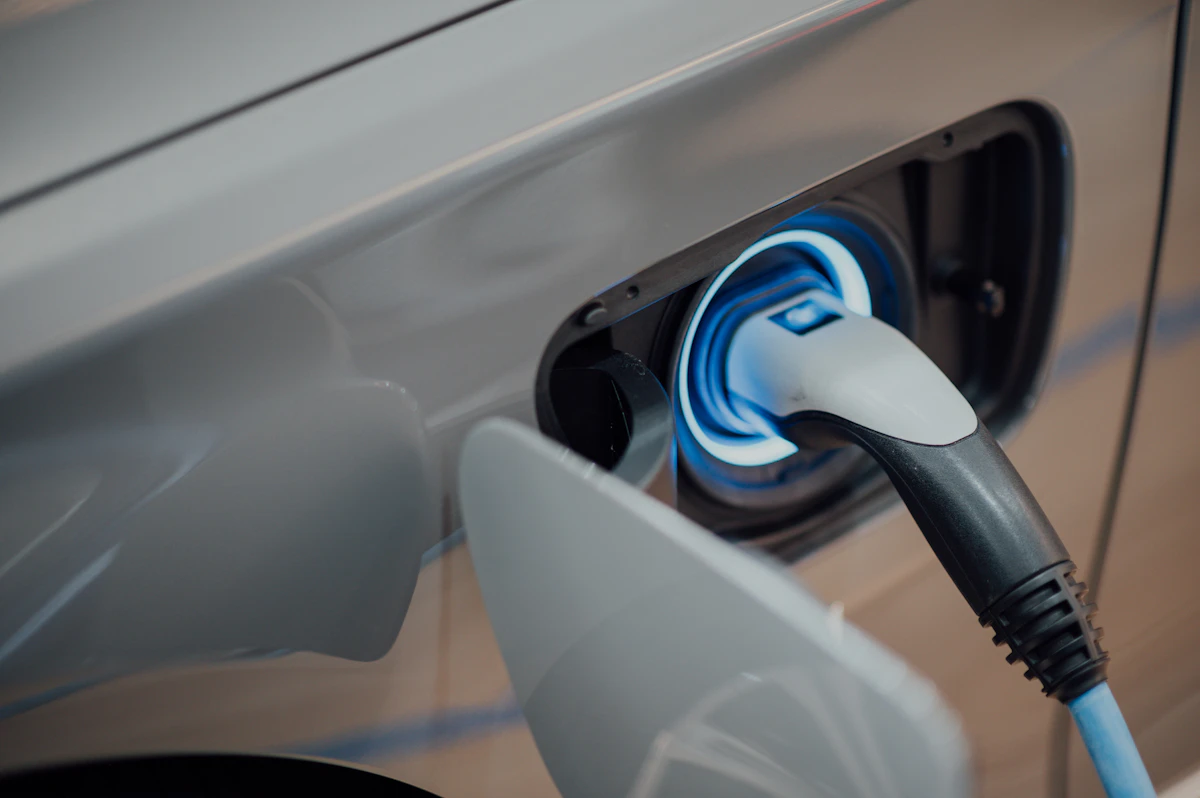
If you are selling a battery electric vehicle (BEV) or a plug-in hybrid, standard photos and a basic description are no longer enough. The market for used EVs has matured, and buyers are highly educated about battery degradation. You must provide clear reassurance around battery state-of-health, the condition of the charging cables, and the real-world range achievable in different seasons.
“This information will help demystify ownership for first-time EV buyers,” says Trent. Furthermore, ensuring you have any transferable battery warranty documents ready to view will significantly speed up the transaction and justify a premium price point over competing listings lacking that data.
Choosing your route: private sale vs. part-exchange
With a valuation in hand and your car prepped, the final decision is how to execute the sale. There is no single right answer, only the answer that best fits your risk tolerance and timeline. “If you don’t mind handling inquiries yourself, a private sale on a platform like Autotrader might appeal and potentially net you a better return,” says Trent.
However, if convenience and speed matter more, selling your car directly to a dealer or utilizing an instant-offer service can still mean a great price with vastly less hassle. For many people, part-exchange offers a highly useful middle ground.
“You may not get the absolute maximum value,” Trent explains, “but what you gain is convenience and certainty. Everything is handled in one transaction.” Ultimately, confidence comes from clarity; once you understand your car's true value, selling it becomes just another straightforward step forward rather than a stressful financial obstacle.
FAQs
Q: What paperwork do I absolutely need to sell my car?
A: You must have your V5C logbook (in your name), current MOT certificate, complete service history records, and any active warranty or finance settlement documents. Having the spare keys and owner's manual also adds value.
Q: How should I price my car to leave room for negotiation?
A: Look up the private party valuation for your exact mileage and condition. Set your asking price 5 to 10 percent higher than your absolute minimum acceptable figure, as buyers generally expect to negotiate in large increments.
Q: Is it better to part-exchange or sell privately?
A: Selling privately almost always yields the highest financial return, but it requires managing inquiries, test drives, and secure payment. Part-exchange trades a percentage of that profit for immediate convenience and zero risk of dealing with time-wasters.
Q: How can I prove the battery health of my used EV to a buyer?
A: Obtain a formal battery state-of-health (SOH) report from a main dealer or an independent EV specialist. You can also take photos of the dashboard showing the maximum range at 100 percent charge and provide any remaining manufacturer battery warranty documentation.
Q: How do I safely accept payment from a private buyer?
A: The safest method is an instant bank transfer (Faster Payments) completed while the buyer is with you. Do not hand over the keys or the V5C logbook until you have independently verified that the cleared funds are visible in your own banking app.

Posting Komentar